


When To Visit Castle Combe
July and August are peak months; bank holidays can fill the car park. Castle Combe Circuit events add noise and traffic on specific dates, plan ahead.
TimeLevelBefore 9amVery Quiet9-11amModerate11am-3pmBusyAfter 4pmQuiet
.png&w=1080&q=75)
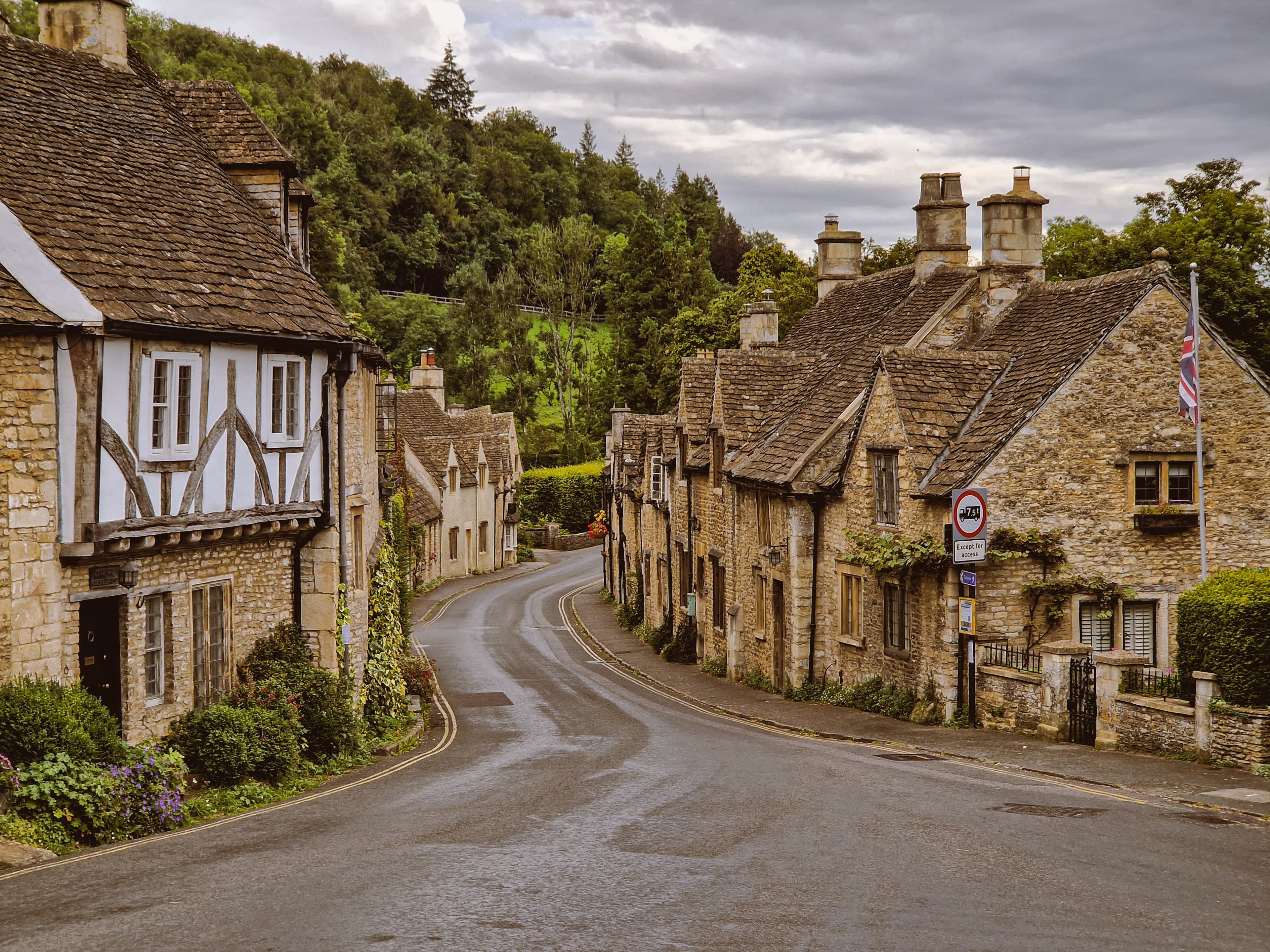
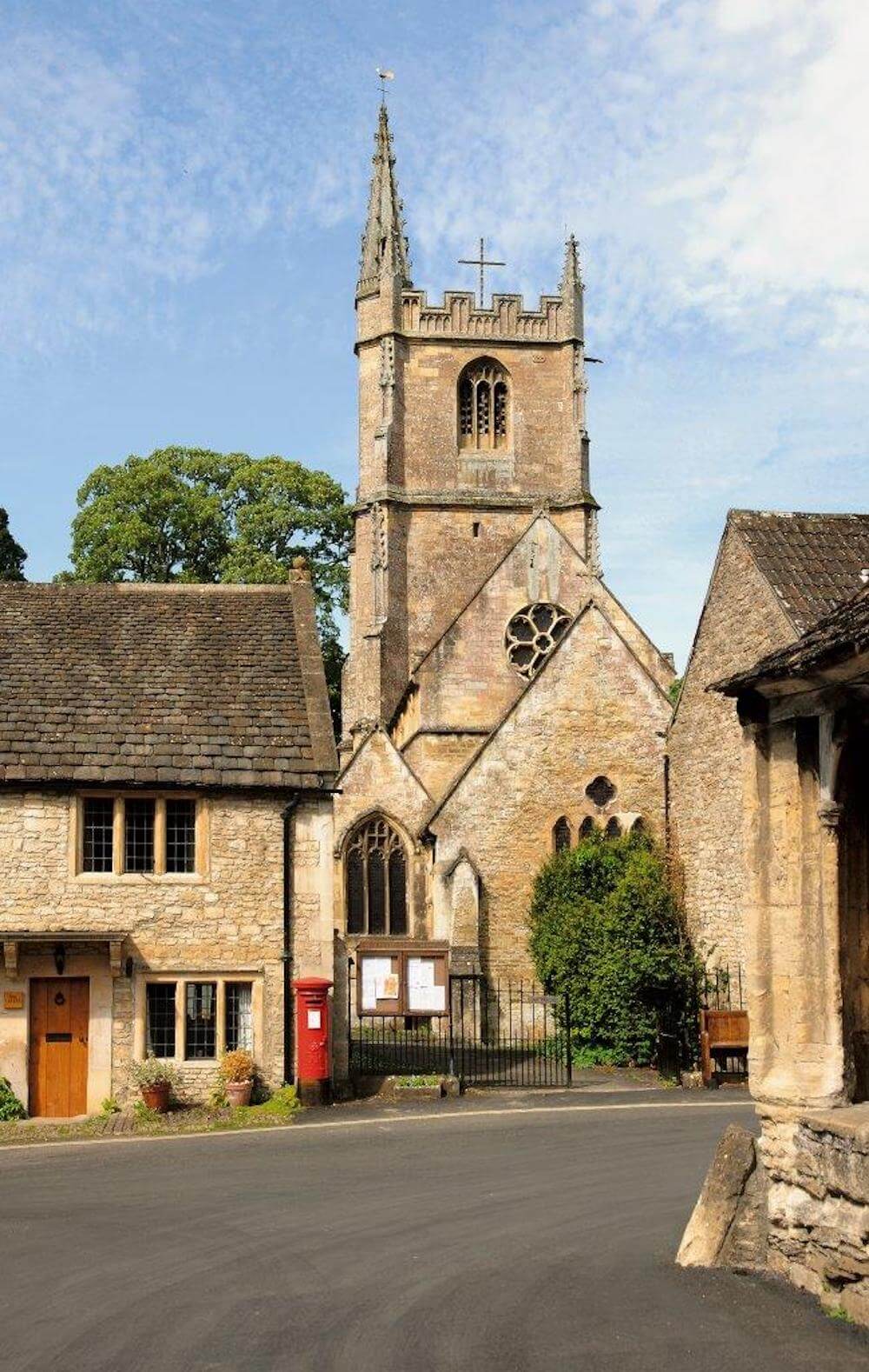
“Stone cottages, By Brook, the Market Cross and film locations that most visitors recognise before they arrive.”
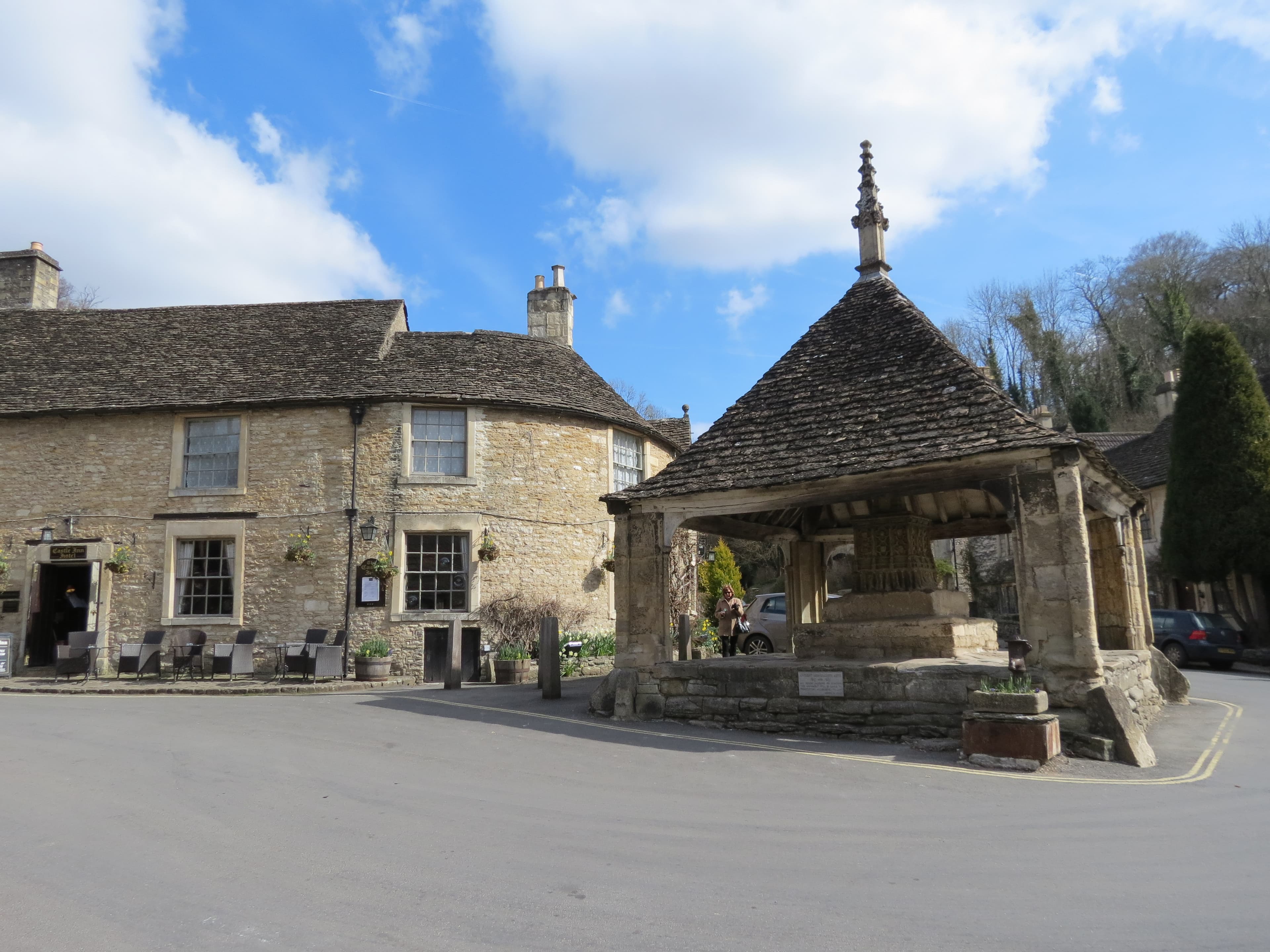
Castle Combe looks familiar before you have even been there. War Horse, Stardust and the 1967 Doctor Dolittle were filmed here, and the central street around the Market Cross has been photographed so many times it has become a shorthand for the English countryside.
The reality is smaller and more residential than the pictures suggest. Around 50 people live in the village centre. There are no rows of shops, the average visit is just over one hour, and the streets are genuinely narrow, with no pavements in places. Summer months can inundate the village, bank holiday parking fills quickly, and residents have raised documented concerns about drones, intrusive photography and crowd behaviour.
That is not at all a reason to avoid it. It is a reason to time your visit well, with early morning or late afternoon on a weekday outside school holidays is a very different experience from midday on a summer bank holiday.
July and August are peak months; bank holidays can fill the car park. Castle Combe Circuit events add noise and traffic on specific dates, plan ahead.
Practical insights from our visits: the kind of advice you would get from someone who has been there recently.
Park at Dunns Lane (SN14 7HU) and walk down into the village. Do not attempt to drive into the lower village it's virtually impossible to get parked there.
Bring coins or check the mobile payment option before leaving the car. Charges run from 40p to £5.60 all day according to St Andrew's visitor guidance.
Arrive before 9am or after 4pm on busy days. Early morning and late afternoon are the quietest windows, with mid-morning crowding noted by visitors.
Check Castle Combe Circuit's calendar before choosing a date. Racing, action days and track days generate noise and extra traffic on specific days.
The parish council asks visitors not to photograph into homes, use drones over the village or lean on windowsills.
Book food ahead in busy periods. The Castle Inn and Bybrook at The Manor House both operate reservations and eating options in the village itself are limited.
Dunns Lane Car Park, Castle Combe, SN14 7HU. Pay-and-display machines accept card and coins. No official overflow car park for general visitors has been verified. If the main car park is full, there are no reliable alternatives in the lower village.
Main Car Park
Dunns Lane Car Park, Castle Combe, SN14 7HU
91 standard spaces, 1 Blue Badge space (free, no time limit for valid Blue Badge holders in council car parks). Access to the village is via a steep incline on foot.
Overflow Field
No official overflow car park for general visitors has been verified. If the main car park is full, there are no reliable alternatives in the lower village.
On-Street (Not Recommended)
Lower-village parking has around 9 spaces, usually occupied by residents. Virtually impossible to park in the lower village. Coaches are not permitted in the village centre.
By Rail
Chippenham is the nearest station, around 5 to 6 miles away, with direct services from London Paddington, Bristol and Bath. The village website says train plus taxi is usually the simplest public transport option. Pre-book a taxi as they are not always immediately available.
Parking
Use Dunns Lane visitor car park (SN14 7HU): 91 spaces, 1 Blue Badge space, charges from 40p to £5.60 all day. Access to the village is via a steep incline on foot. Do not attempt to drive into the lower village; lower-village parking is virtually impossible, and coaches must use designated car-park spaces.
Only partly accessible. The main car park route into the village is steep, access roads are narrow and often lack pavements, and the car park has 1 Blue Badge space. St Andrew's Church has level access to main areas according to the National Churches Trust.
Difficult. The steep incline from the car park and narrow village streets without pavements make pushchair use challenging.
The village centre access is described by official guidance as narrow and often without pavements. The car park route requires a steep hill walk down to the village. Bybrook at The Manor House has better access provisions for dining.
Narrow lanes, often without pavements. Steep incline from the car park. Uneven surfaces in the lower village. Visitors with mobility concerns should check conditions before travel.
A quick read on how Castle Combe stacks up against other popular Cotswolds villages, based on our visits, not brochure copy.
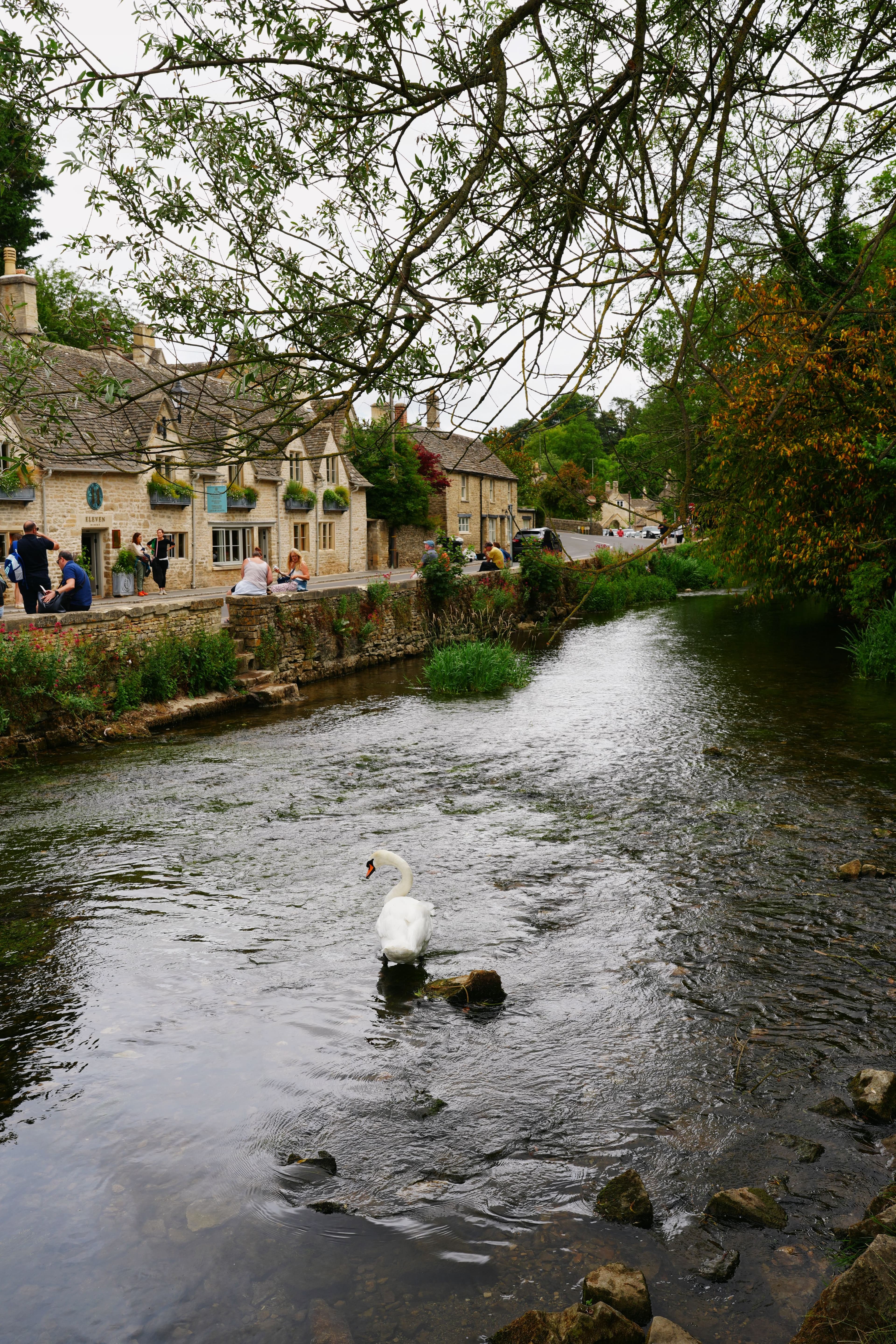
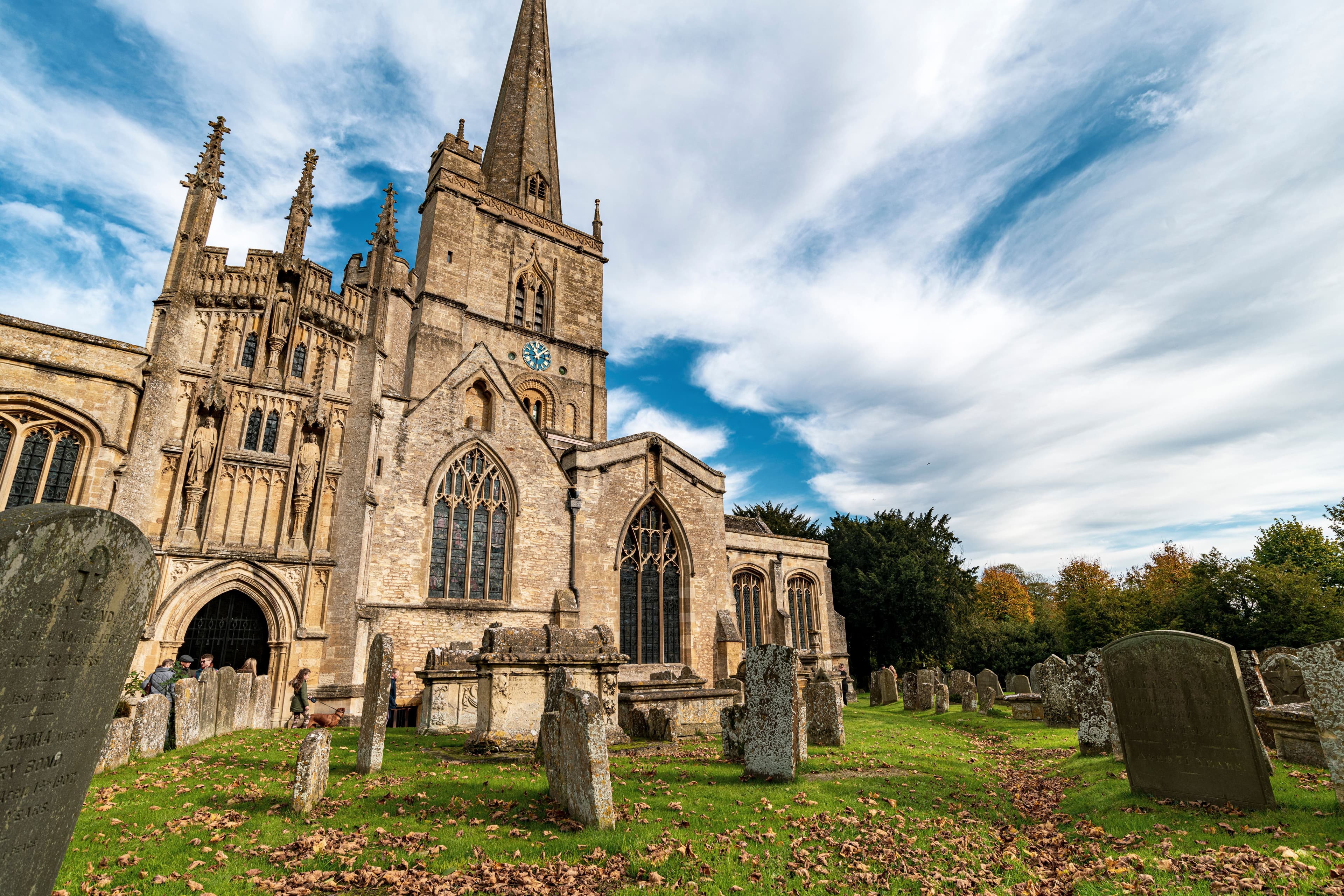
Castle Combe is not the only option. If your priorities run differently, these villages may suit you better.
Try Biddestone or Lower Slaughter.
Try Bibury.
Try Bourton-on-the-Water or Burford.
Trip-planning suggestions based on driving times from Castle Combe. Adjust for your pace. We prefer one village properly over three rushed.
Half Day
Castle Combe + Lacock
Lacock is about 8 miles southeast and almost entirely owned by the National Trust, with Lacock Abbey and a filming history of its own. Two of the most recognised historic villages in Wiltshire in one outing.
Half Day
Castle Combe + Biddestone
Biddestone is 4 miles away and connected by a Cotswolds National Landscape walking route through Slaughterford and the By Brook valley. Quieter and less visited than Castle Combe, it makes a natural second stop.
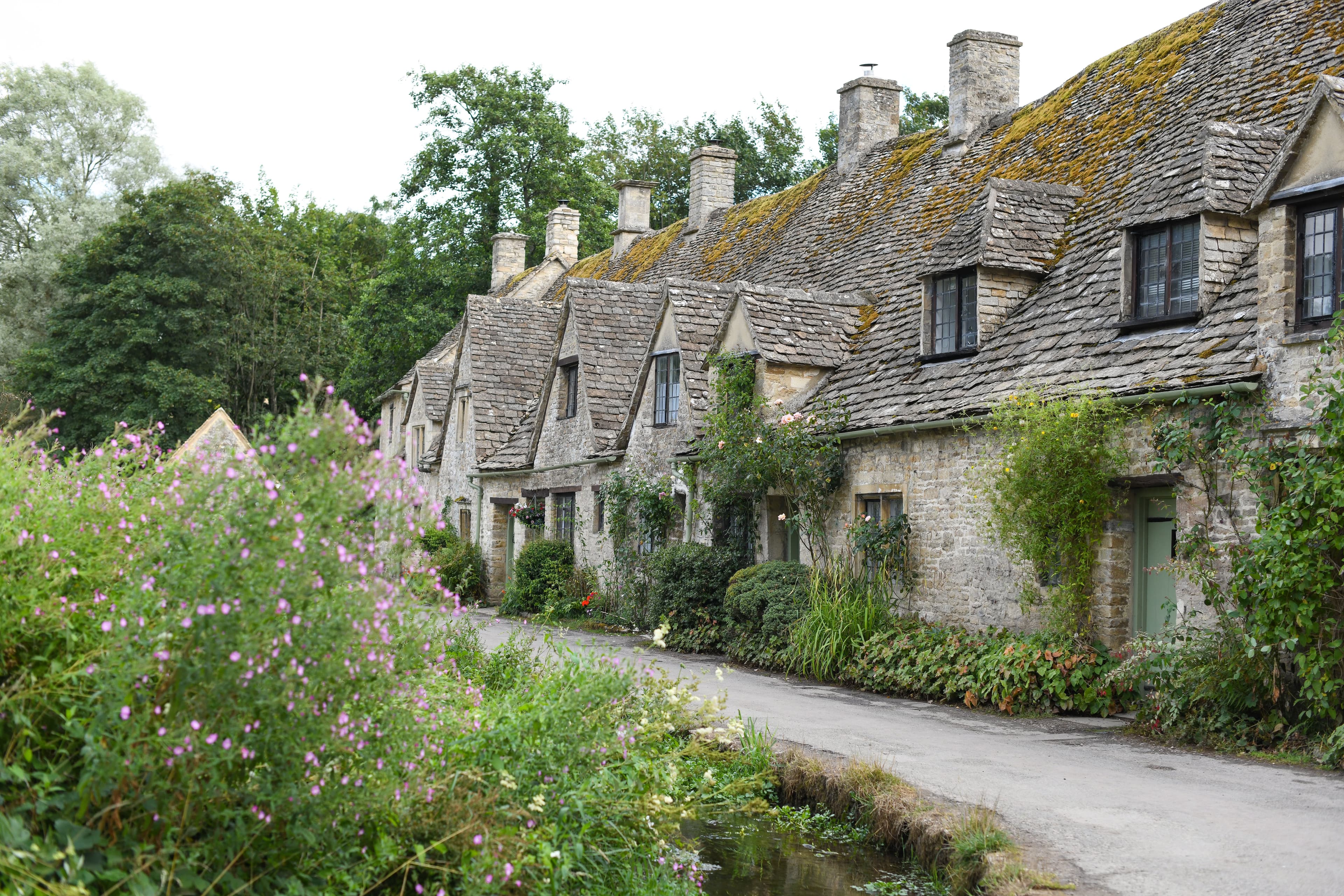
Day Out
Both villages are regularly named the most beautiful in England. They are around 25 miles apart. Pair them for a day focused on two contrasting types of Cotswolds beauty.
March starts quiet. By April, blossom is out along hedgerows and orchards, and the light has that clear, low quality photographers chase. Lambing season means new arrivals in the fields either side of the roads. Weather is unpredictable though, expect a mix of bright mornings and sudden showers, so bring layers either way. Crowds build steadily from Easter, and the two spring bank holidays are the first genuinely busy weekends of the year.
This is peak season, no way round it. July and August weekends are when car parks fill fastest and popular spots feel their busiest, particularly late morning through mid afternoon. Daylight lasts until nearly 9.30pm at midsummer, which works in your favour if you are happy exploring early or late to dodge the crowds. Weekdays outside school holidays are a noticeably calmer version of the same places.
September is often the best-kept secret of the year. Crowds thin considerably once schools go back, but the weather is frequently still warm enough for a proper day out. Foliage turns from mid-October, stone and copper leaves together, and mornings can be genuinely misty in a way that photographs beautifully. Some seasonal attractions reduce their hours or close after October half term, so it is worth checking before you plan a day around one.
The quietest season, and for some the best one. Days are short, dark by mid-afternoon, so plan accordingly if you are relying on daylight for walking or photography. Rural roads can be icy or waterlogged after rain, worth checking conditions before setting out rather than assuming they will be clear. What you get in return is empty lanes, log fires, and villages without a single coach in sight. A number of smaller cafes and shops reduce their hours or close for a break in January, so do not assume everywhere will be open.
Answers based on our visits and the questions visitors search for most often.
Yes, if you treat it as a short residential village stop. The Market Cross, By Brook, St Andrew's Church and the lower village street are genuinely good. The average visit is just over one hour.
Around 60 to 90 minutes for the village and church. Allow longer if you are walking toward Ford or Biddestone, or dining at The Castle Inn or Bybrook.
Dunns Lane visitor car park (SN14 7HU): 91 spaces, 1 Blue Badge space, charges from 40p to £5.60 all day. Access to the village is on foot via a steep incline. Do not try to park in the lower village.
No. Dunns Lane charges from 40p to £5.60 all day according to St Andrew's visitor guidance. Check the current tariff at the machine or on the Wiltshire Council site before travel.
Early morning or late afternoon on a weekday, outside school holidays and bank holidays.
Not directly. The nearest station is Chippenham, about 5 to 6 miles away. Taxi is usually the simplest option. Pre-book a taxi before travelling.
Yes. Faresaver service 95/95A links Chippenham and Castle Combe via Yatton Keynell, but frequency is limited. Check the timetable before travel.
No. Coaches are not permitted in the village centre and must use designated spaces in the Dunns Lane car park.
Only partly. The main car park route into the village is steep, the access roads are narrow and often lack pavements, and the car park has 1 Blue Badge space. St Andrew's Church has level access to its main areas.
Yes outdoors if dogs are controlled and mess is cleared. The Castle Inn and The Salutation Inn are both dog friendly. The parish council asks all visitors to clean up after their dogs.
War Horse, Stardust and the 1967 Doctor Dolittle musical.
Yes. Public toilets are located just south of the town bridge on Water Lane.
You should not. There is no drone signage installed in the village.