When To Visit Bibury
Based on local guidance and visitor reports, not a first-hand visit. Summer weekends, sunny days and bank holidays are busiest. Early morning and late afternoon are the most reliable quiet windows.

“The most beautiful village in England.”
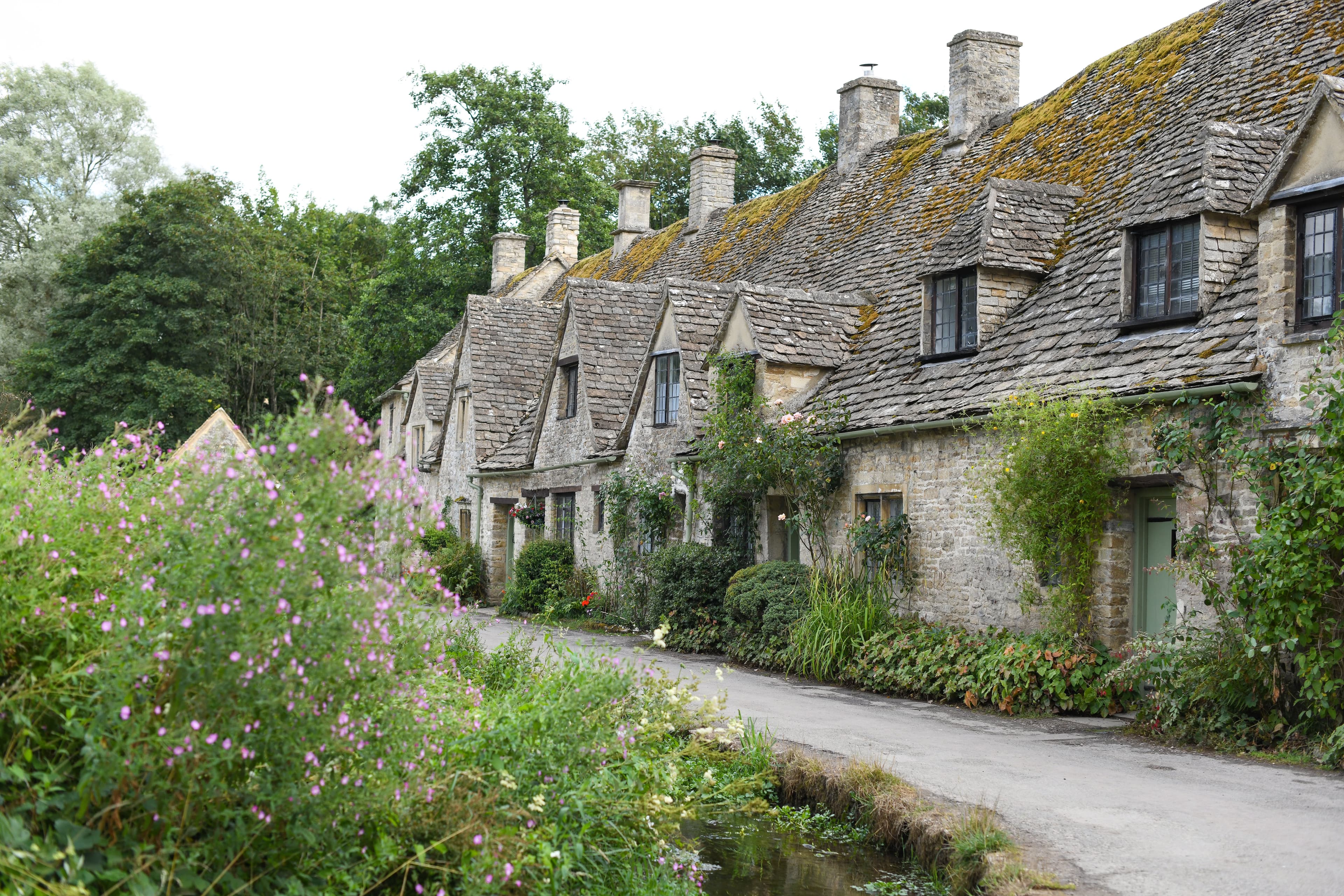
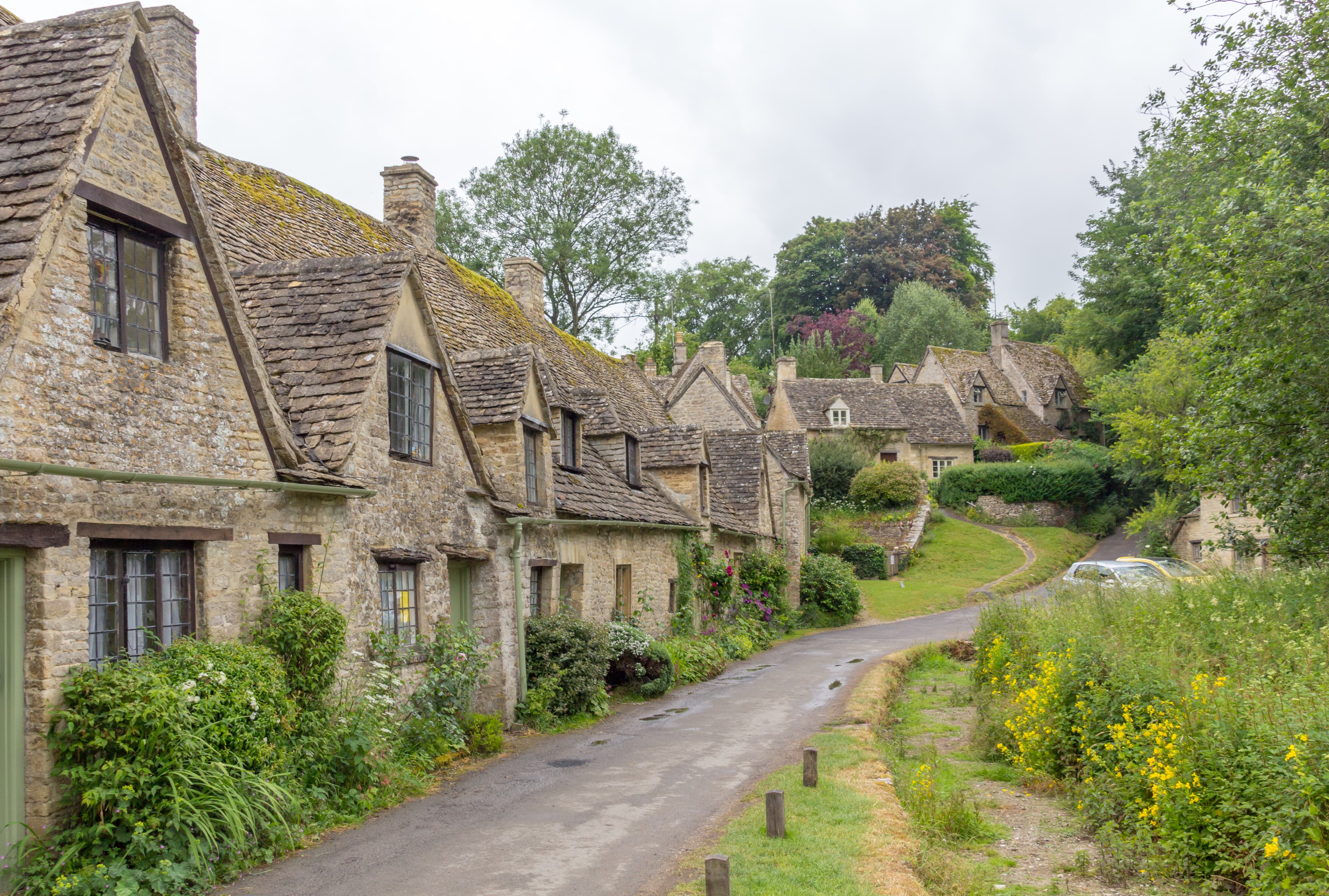
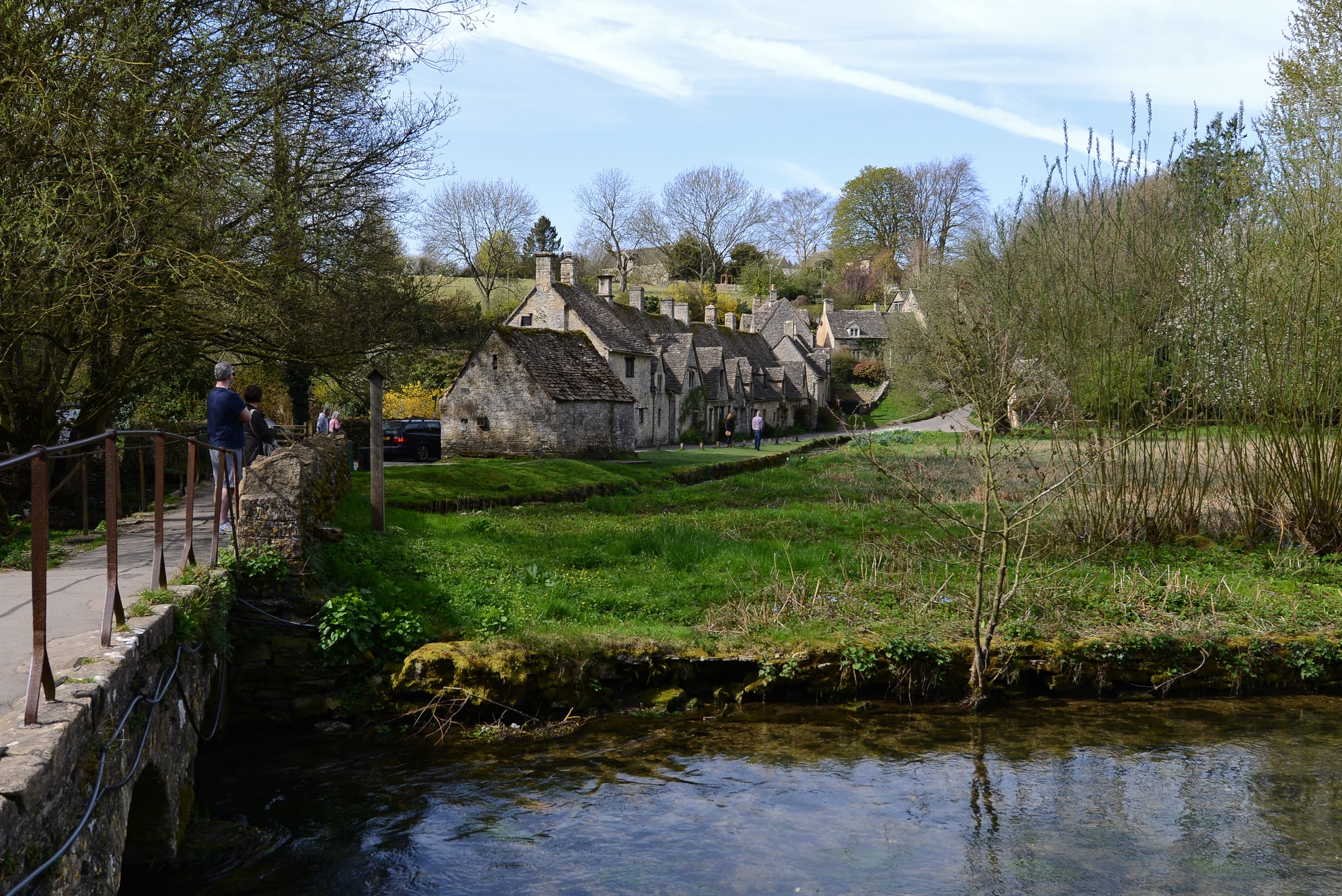
Bibury is best known for one view: Arlington Row, a line of tenanted 17th-century weavers' cottages that the National Trust believes began life around 1380 as a monastic wool store. It is one of the most photographed scenes in England, and most visits are short, a stop for the picture rather than a full day in the village.
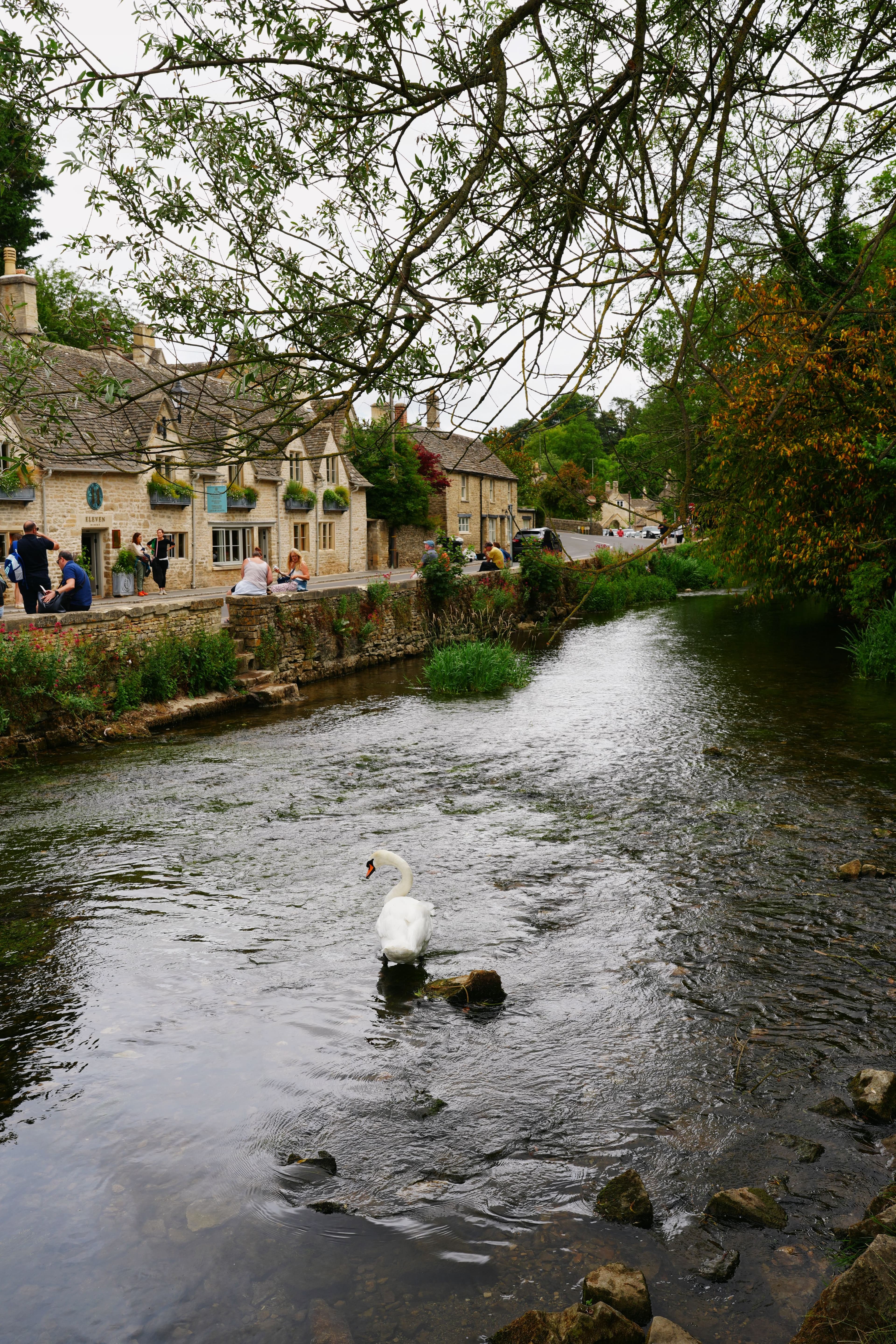
There is more here if you have the time. Rack Isle, the old wool-drying meadow beside the cottages, is now a habitat for birds and water voles. The River Coln runs clear through the village, and a 4-mile walking route follows it away from the crowds. The trade-off: Bibury is small, heavily visited, and tight on parking, and on a sunny summer weekend, the coaches and cars can dominate the very view people come for. Time your visit well, and it is a genuinely good one.

Based on local guidance and visitor reports, not a first-hand visit. Summer weekends, sunny days and bank holidays are busiest. Early morning and late afternoon are the most reliable quiet windows.
Practical insights from our visits: the kind of advice you would get from someone who has been there recently.
Arrive before 9am or after 4pm if you care about parking and crowds. Visitor reports consistently favour early and late windows.
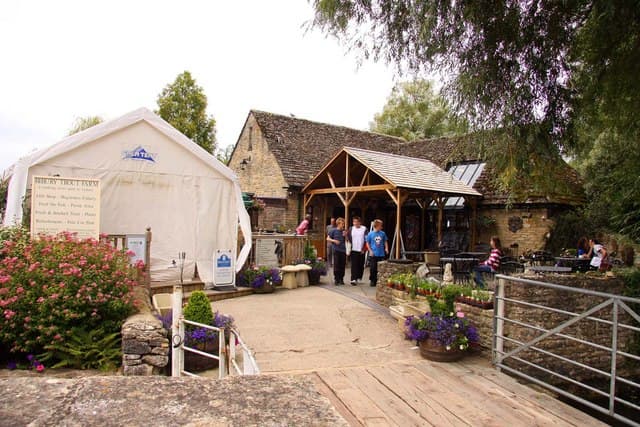
The Trout Farm runs three fee-paying car parks at £8 for the day. Turn left at The Swan Hotel and follow the signs up the road.
There is some free parking in and around the village, but it is limited and goes early on busy days.
If the main street feels crowded, the Bibury and River Coln route is about 4 miles and deliberately heads away from the busiest sightline.
Coaches use a 10-minute clearway in the centre, so traffic patterns shift through the day. Factor this in if driving.
Arlington Row and Rack Isle are reached on public footpaths with no entry fee. It is free to walk the village itself.

Bibury Trout Farm car parks, off The Street, GL7 5NL. Pay-and-display machines accept card and coins. Some free parking in and around the village, but spaces are limited and fill quickly in summer, on sunny weekends and on bank holidays.
Main Car Park
Bibury Trout Farm car parks, off The Street, GL7 5NL
Three fee-paying car parks for Trout Farm visitors. £8 for the day. Turn left at The Swan Hotel and follow the signs up the road.
Overflow Field
Some free parking in and around the village, but spaces are limited and fill quickly in summer, on sunny weekends and on bank holidays.
On-Street (Not Recommended)
On-street parking through the village is limited and unreliable at peak times. Coaches use a 10-minute clearway system in the centre, so do not rely on roadside spaces.
By Rail
The nearest station is Kemble, about 14 miles away. Direct services run from London Paddington. Cotswold Lavender advises pre-booking taxis both ways. Pulhams service 855 links Cirencester, Northleach, Bibury and Bourton-on-the-Water, with roughly hourly frequency from September 2025.
Parking
The Trout Farm runs three fee-paying car parks at £8 for the day. Turn left at The Swan Hotel and follow the signs up the road. There is also some free parking in and around the village, but it is limited and fills quickly at busy times.
Main road through the village is relatively level. River paths and Rack Isle have uneven gravel and steps.
Fine on paved sections; difficult on meadow paths and near the Arlington Row bridge.
Arlington Row has narrow pavements and a steep bridge. The Trout Farm area is more accessible.
Mix of tarmac, gravel and grass. Can be muddy after rain. Waterproof footwear recommended.
A quick read on how Bibury stacks up against other popular Cotswolds villages, based on our visits, not brochure copy.


Bibury is not the only option. If your priorities run differently, these villages may suit you better.
Try Lower Slaughter or Coln St Aldwyns.
Try Bourton-on-the-Water.
Try Coln St Aldwyns or Barnsley.
Trip-planning suggestions based on driving times from Bibury. Adjust for your pace. We prefer one village properly over three rushed.


Half Day
Early Bibury at dawn, then Castle Combe for afternoon light on the bridge and Market Cross. Allow 45 minutes between villages.

Weekend
Bibury + Bourton-on-the-Water + Stow-on-the-Wold
Spread across two days if possible. Day one: Bibury and Burford. Day two: Bourton-on-the-Water and Stow-on-the-Wold. Base in Burford or Bibury.
March starts quiet. By April, blossom is out along hedgerows and orchards, and the light has that clear, low quality photographers chase. Lambing season means new arrivals in the fields either side of the roads. Weather is unpredictable though, expect a mix of bright mornings and sudden showers, so bring layers either way. Crowds build steadily from Easter, and the two spring bank holidays are the first genuinely busy weekends of the year.
This is peak season, no way round it. July and August weekends are when car parks fill fastest and popular spots feel their busiest, particularly late morning through mid afternoon. Daylight lasts until nearly 9.30pm at midsummer, which works in your favour if you are happy exploring early or late to dodge the crowds. Weekdays outside school holidays are a noticeably calmer version of the same places.
September is often the best-kept secret of the year. Crowds thin considerably once schools go back, but the weather is frequently still warm enough for a proper day out. Foliage turns from mid-October, stone and copper leaves together, and mornings can be genuinely misty in a way that photographs beautifully. Some seasonal attractions reduce their hours or close after October half term, so it is worth checking before you plan a day around one.
The quietest season, and for some the best one. Days are short, dark by mid-afternoon, so plan accordingly if you are relying on daylight for walking or photography. Rural roads can be icy or waterlogged after rain, worth checking conditions before setting out rather than assuming they will be clear. What you get in return is empty lanes, log fires, and villages without a single coach in sight. A number of smaller cafes and shops reduce their hours or close for a break in January, so do not assume everywhere will be open.
Answers based on our visits and the questions visitors search for most often.
Yes, to walk it. Arlington Row, Rack Isle and the public river paths are free. Bibury Trout Farm charges admission from £9.50 adult in 2026, and parking is paid separately.
Yes, if you want the Arlington Row view, a short riverside walk or the longer Coln route. Less so if you expect a large village with lots of shops and a full day indoors. Early morning or late afternoon is the better experience.
Allow 45 to 90 minutes for Arlington Row, Rack Isle and the village centre, or around 2 hours if you add the 4-mile River Coln walk. Longer if you use the Trout Farm.
It can be, especially on summer weekends, sunny days and bank holidays, when coach groups and parking pressure are well documented. Before 9am and after 4pm are the most reliable quiet windows.
The Trout Farm runs three fee-paying car parks at £8 for the day. Turn left at The Swan Hotel and follow the signs up the road. There is also some free parking in and around the village, but it is limited and fills quickly at busy times.
It is possible but takes planning. The nearest station is Kemble, about 14 miles away. Pulhams service 855 links Cirencester, Northleach, Bourton-on-the-Water and Bibury, with roughly hourly frequency. Pre-book taxis from Kemble or Cirencester.
No. The cottages and gardens are tenanted with no public access. Numbers 1 and 9 are National Trust holiday cottages. You can photograph the row from the public path and bridge.
Yes for outdoor walking, with dogs on leads on National Trust-managed areas to protect wildlife near Rack Isle and the river. Eleven Bibury welcomes well-behaved dogs and assistance dogs. Check individual venues.
Yes, with caveats. The Trout Farm has Catch Your Own fishing, a cafe and outdoor areas, and children enjoy the river. Some meadow paths are uneven for pushchairs. Pair with Bourton-on-the-Water if you want more attractions.
Before 9am or after 4pm on any day. March, April, October and November tend to be easier than peak summer. Avoid sunny summer weekends and bank holidays around the middle of the day.
Yes. Walking guidance notes public toilets near the route start, with a small charge around 40p. Cafes and The Swan also serve customers. Buy something if using their facilities.
Partly. The National Trust notes a level tarmac route in front of Arlington Row and Rack Isle, but there is a narrow bridge over the mill stream and narrow path sections, so treat it as partly accessible rather than fully step-free.
Arlington Row's fame, coach tours and social-media-led photo visits draw high numbers into a small village with limited parking and infrastructure, which is why timing your visit matters.